
EcoSport Innovations advised a quarter of English Premier League clubs on surface selection. Read more...
Read MoreThe Challenge
Premier League clubs invest millions in training infrastructure. The surfaces their players train on directly affect injury risk, skill development, and preparation for match conditions. Getting the specification wrong at this level is not just expensive but also affects player availability and, ultimately, results.
The challenge for clubs is that the market for synthetic and hybrid surfaces is complex and commercially driven. Manufacturers and contractors have financial incentives to recommend their own products. An independent consultant with hands-on experience across the full supply chain, from raw polymer chemistry to finished installation, provides something no manufacturer can: genuinely unbiased advice.
This is the core value of EcoSport Innovations’ design and planning service: helping clients navigate a market where every vendor has a product to sell, and making sure the specification serves the client’s needs rather than the contractor’s margin.
The Clubs
AFC Bournemouth
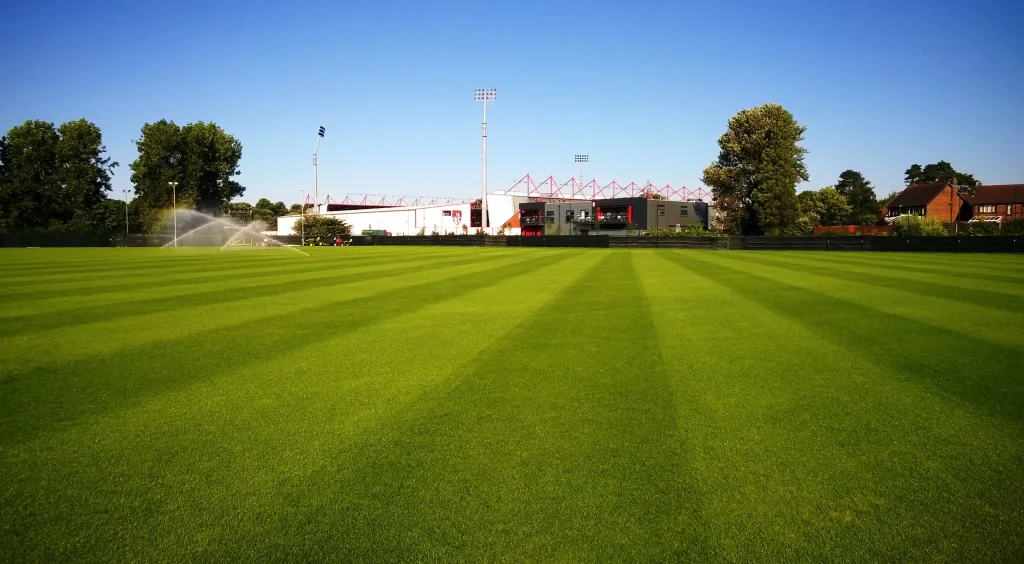
A 16,000m² hybrid surface combining natural and synthetic turf, delivered with trusted contracting partner Clive Richardson Ltd. Hybrid pitches blend 95% natural grass with 5% synthetic fibre stitched into the rootzone, creating a surface that plays like natural grass but withstands significantly more playing hours. Bournemouth’s Vitality Stadium was among the first Premier League grounds to adopt hybrid technology and a matching training ground specification.
Delivered in 2020 and 2021, the project involved two full-size training pitches that included one indoor and one outdoor. Crystal Palace‘s £20 million academy redevelopment achieved Category One status, the highest academy rating possible.
EcoSport Innovations’ role was advising on surface selection tailored to the club’s specific training methodology, following a period of negotiation to identify the right system. The indoor facility covers 8,500 square metres under a tensile fabric dome, enabling year-round training regardless of weather.
Aston Villa
In 2019, EcoSport advised Aston Villa on system selection for their training facility, with delivery again managed through Clive Richardson Ltd. The specification had to accommodate the demands of a Premier League squad preparing for the intensity of the top flight. Villa were promoted that year and needed surfaces that met the step up in quality.
Brighton & Hove Albion
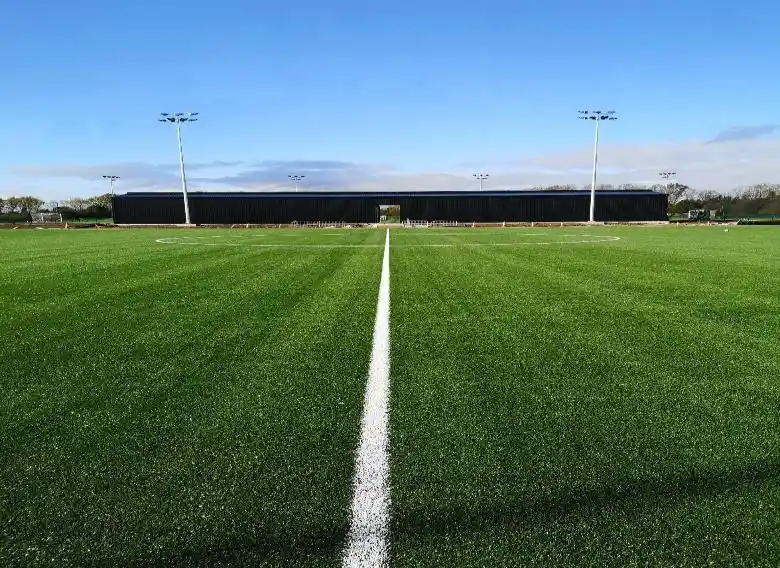
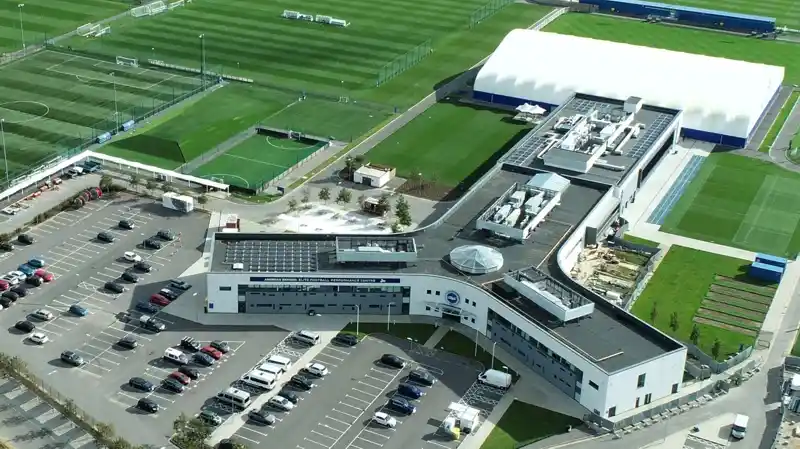
A series of training pitches alongside an indoor dome surface. Brighton‘s investment in training infrastructure has been a key part of their rise through the Premier League, and the dome surface specification required careful consideration of ventilation, drainage, and playing characteristics in an enclosed environment.
Nottingham Forest
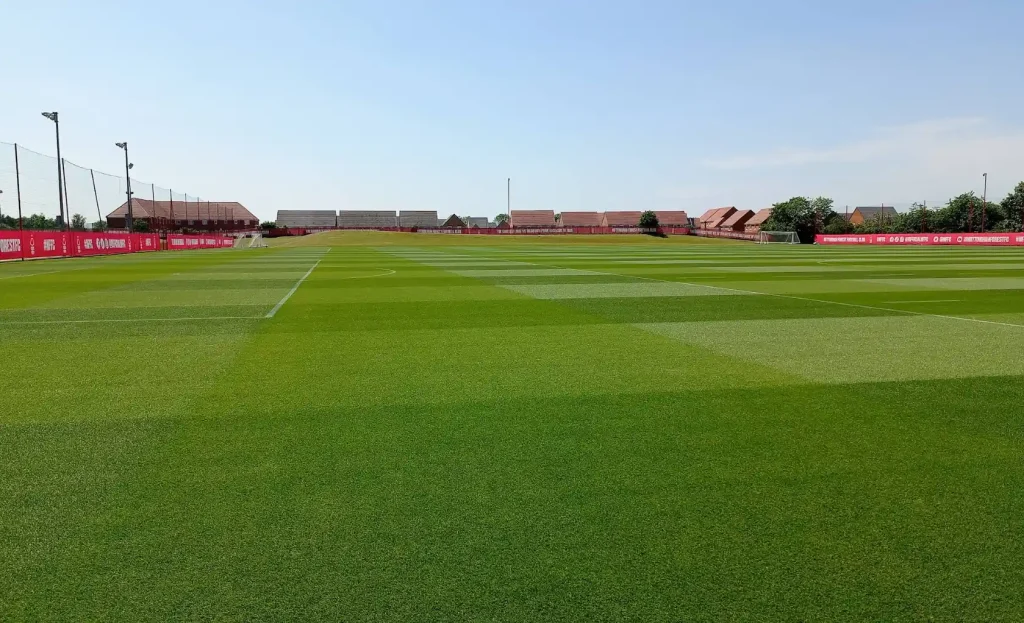
Through a period of consultation, both the indoor and outdoor synthetic surfaces were resurfaced to satisfy the club‘s Academy training activities. Resurfacing an existing facility brings different challenges to a new build. The sub-base, drainage, and perimeter infrastructure are already in place, and the new surface must integrate with what exists.
Southampton
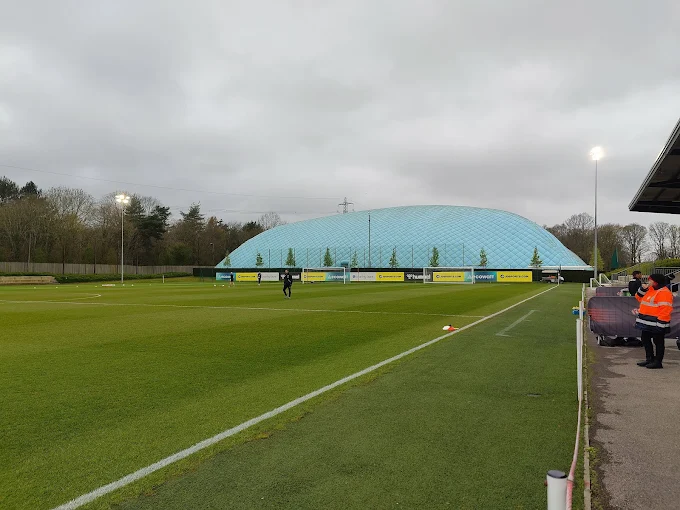
Initial consultation for the new indoor dome surface at the Staplewood Campus training ground, with regular aftercare visits. Additionally, EcoSport Innovations advised on trials of hybrid surfaces at the training ground, evaluating different systems in real-world conditions before committing to a full installation.
Why Independent Advice Matters at This Level
Every one of these engagements could have been handled by a contractor or manufacturer offering a turnkey package. The reason clubs choose an independent consultant is simple is because the consultant has no product to sell. When Nick advises on surface selection, the recommendation is based on what the club needs and not on what generates the highest margin for the supplier.
With 15 years of experience across the full supply chain, from raw material chemistry through manufacturing, installation, and project management, Nick understands where the gaps are between what a contractor promises and what gets delivered. That knowledge protects the client’s investment.